
Betting on the Existing System

- DeFi has no real risk waterfall. Aave's response to a single hack essentially skipped to the crisis-level steps that TradFi has never once needed in 50 years.
- Assets exposed to the alternative system, like AAVE, have been dead money since 2021 because the infrastructure they're built on can't perform basic risk management.
- The winners over the coming years will be assets that make the existing system better (e.g., Securitize $SECZ), not the ones trying to replace it.
Yet another crypto hack took place last week, and if you understand the response that happens in the background, the next 10x trade immediately becomes obvious.
When a DeFi platform has a major exploit, the first thing that happens is that every company that participates in this platform needs to deposit money into an emergency fund of sorts.
If the exploit is larger than all these deposits, then the platform itself will use its own retained profits built up over the years and borrow money from other platforms.
If that still isn't enough, then the platform can tap the fund of other platforms in the DeFi world.
If that still isn't even enough, the platform that took on the losses can then spread the losses across other DeFi platforms.
And, the last resort, if that isn't even enough, major banks in the DeFi world will step in and provide liquidity to bail out the system.
Seems like it's a good system right?
Well, I just lied to you...
That's how traditional markets works, NOT DeFi.
What I explained to you is the risk waterfall process that the National Securities Clearing Corporation (NSCC) uses to manage risk when one its participants, like a bank or a broker defaults.
And the system is so well designed that since its framework has been around since 1976, step two of the five-part risk waterfall has never been entered.
They've managed the single worst crises in capitalism, the tech crash, the great financial crisis, Lehman Brothers, and Covid, all with just step one.
So how does DeFi manage defaults?
Terribly.
Aave has only managed to raise $160M (compared with the $300M they need to raise) from a variety of parties into a wallet called "DEFIUNITED.ETH".
Lol.
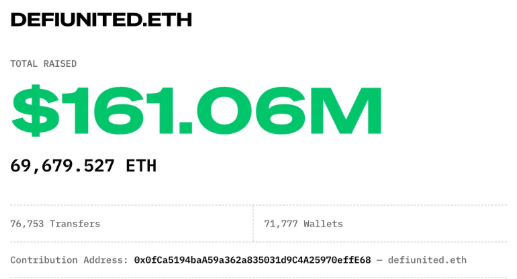
The risk in the DeFi system is so poorly managed, that they have essentially gone straight down to step 4/5 on the NSCC waterfall, practically having to lend and incur losses from other platforms.
Just over a tiny $300M hack, which is nothing in the grand scheme of things.
What's the trade, Louis?
It's hilarious to me that people have touted that the financial system will be RUNNING on crypto technology; because these transactions can self enforce themselves through code automatically, it's much "safer" than the traditional system that needs to go through all these intermediaries.
The financial system has been setup over extraordinary trial and error and has proven itself to be antifragile.
It seems to me that the DeFi world is worried too much with being revolutionaries and less about keeping their money secure.
So the trade to me is abundantly clear.
This trend of building an "alternative financial system" that went around Wall Street, the Federal Reserve, and the laundry list of intermediaries failed.
Crypto assets that have exposure to this alternative system, like Aave (the money market of the "alternative" system), will be relegated to the margins.
Just look at the returns since 2021; it's been dead money.
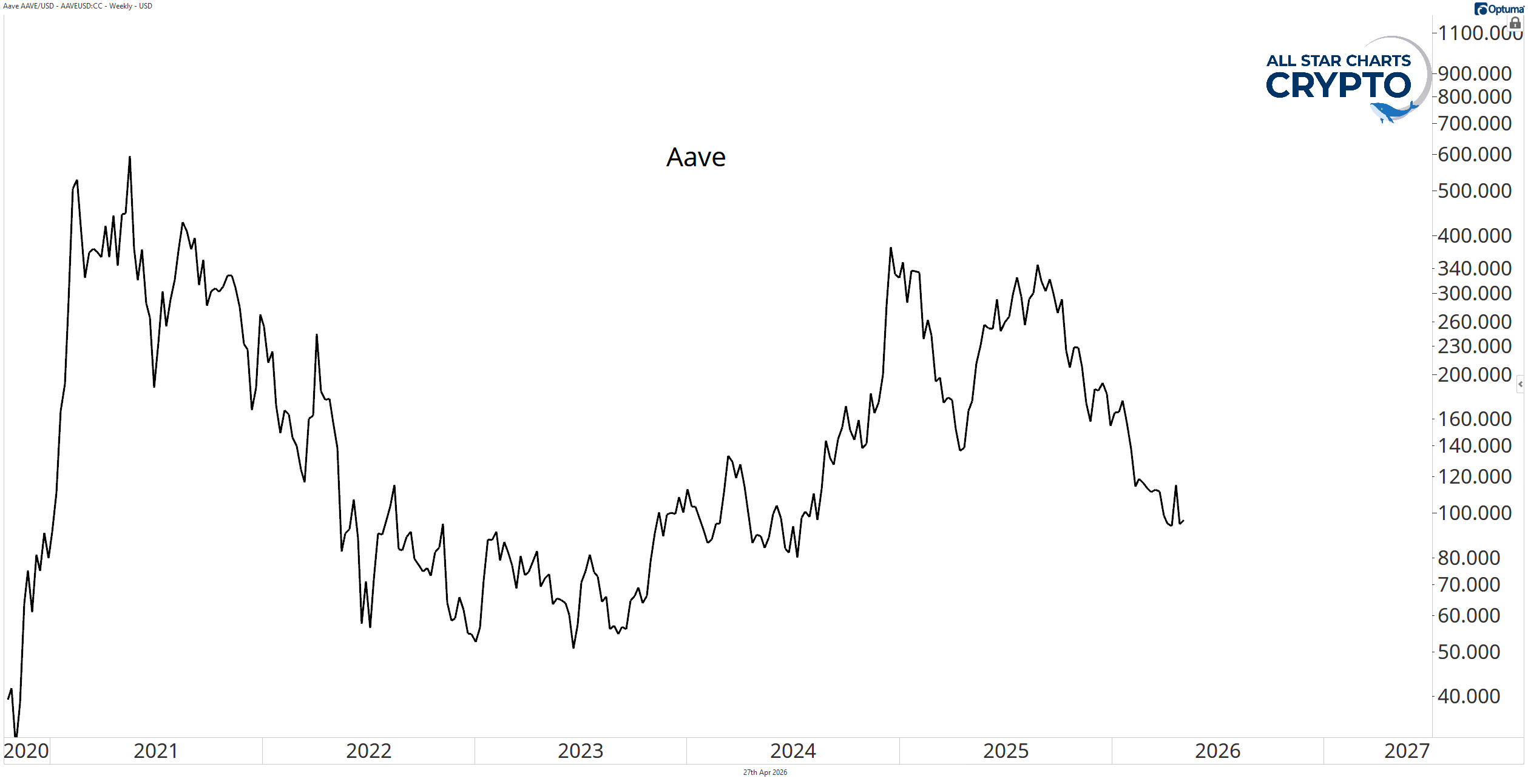
Instead, the crypto assets that are integral to making the EXISTING system operate more effectively will be the biggest winners.
A good example of one coming to market shortly is Securitize $SECZ.
It's about to complete it's reverse-merger (SPAC) with Cantor Equity Partners $CEPT, and will essentially be the sole company that manages compliance and risk for the NYSE and the Nasdaq to bring the trading of stocks onto blockchains.
They already have $4B on their books, and I think this number will hit $100B by the end of the decade.
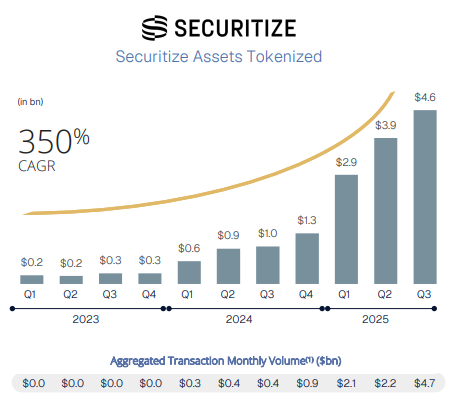
Here's what I covered this week on All Star Charts Crypto.
On Monday, I talked about the most important IPO of the year outside SpaceX. And it's the one I just mentioned above.
Click here to get more details.
On Tuesday, I talked about how DeFi is dying and the single most important investment theme across of all finance is replacing it.
And on Thursday, I wrote about how the crypto trade everyone is making is wrong.
I don't own any Ethereum or Solana because of it.
Have a great rest of the weekend!
I have a question for you.
This whole post I've been talking about the split between alternative and the existing financial system.
Something I've been thinking about is how Ethereum and Solana are great are servicing the alternative economy, but they're terrible at servicing the existing economy.
So what happens to their values when the large institutions don't use these two networks?
It's the reason I don't own them, personally.
Do you have a good answer. Feel free to watch my video and reply by clicking here.

Cheers,
Louis Sykes
Senior Crypto Analyst, All Star Charts